
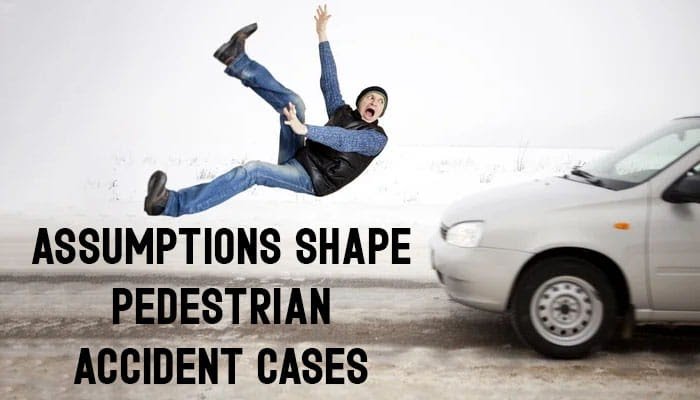
How Early Assumptions Shape Pedestrian Accident Cases More Than Evidence Itself in Pensacola, FL | eAskme
Street corners in Pensacola, FL, carry stories that do not always match what people think happened after a pedestrian accident.
Early assumptions begin forming before full facts are checked, and they often guide how responsibility is seen. But evidence alone does not always control the direction of a claim once those first ideas settle in.
This is where a pedestrian accident attorney in Pensacola, FL, becomes relevant for people trying to understand how early views can affect outcomes.
It explains how early reports, witness views, and initial records quietly shape pedestrian accident cases and why timing matters in the claims process.
Other people are reading: 6 Factors That Make Motorcycle Accident Claims Harder to Resolve
What Early Assumptions Mean in Pedestrian Accident Cases
Early assumptions in pedestrian accident cases refer to the first ideas formed about how an incident happened before full investigation begins.
They are shaped quickly from what people see at the scene and are not final legal conclusions.
Even though they are not official decisions, they can influence how police notes and insurance reviews start building a case.
This early stage often becomes the base against which later information is measured during claim evaluation.
In many pedestrian accidents in Pensacola, Florida, these first impressions can stay in records longer than expected.
This is why understanding early framing matters when discussing pedestrian accident outcomes in legal processes.
People often believe evidence alone controls results, but early perception can quietly shape the direction of a claim before deeper facts are even reviewed.
Where Early Assumptions Come From in Pedestrian Accident Investigations
Several sources contribute to early assumptions after a pedestrian accident in Pensacola, Florida, and each one carries its own level of influence.
Police officers often record initial details based on what is visible at the scene within a short period of arrival.
Witnesses also add descriptions,s but stress and memory differences can lead to variations in what they report.
Road condition,s traffic flow, and lighting at the time of the incident can also shape early interpretation of events.
Insurance representatives may also review early reports quickly and form an early view about responsibility before deeper checks occur.
These combined inputs create a narrative that can feel stable even when not all facts are yet confirmed.
Key sources that shape early assumptions:
- First police observations and notes were written at the scene.
- Witness statements collected under stress or confusion.
- Vehicle positions and road conditions at the time of impact.
- Early insurance claim reviews based on limited documentation.
- Medical updates available in the first few hours after the accident.
In pedestrian accident cases, this early narrative often guides how later evidence is read and understood.
Because of this, many claims start with a silent direction already formed, which can be difficult to change without strong supporting documentation and clear analysis from all available records involved over time in complex cases in Pensacola, Florida, settings.
How Early Assumptions Influence Liability and Compensation in Pedestrian Accident Cases
Early assumptions can quietly influence how liability is understood in pedestrian accident claims in Pensacola, Florida, even before all evidence is fully gathered.
Insurance companies often depend on initial police reports and early statements to form a starting point for decisions about fault and settlement value.
Once an early version of events is written down, it can shape how every new detail is later interpreted, even if stronger evidence appears afterward.
Because of this, early narratives often become a reference point for the entire claim evaluation process and may result in lower compensation when responsibility seems unclear or shared.
Medical records, witness accounts, and timing notes are then assessed through this initial lens.
A pedestrian accident attorney in Pensacola, FL, helps review these early records carefully and correct mismatches so the claim reflects accurate facts from the pedestrian accident case.
Why Correcting Early Assumptions Is Not Easy
Once early assumptions become part of official reports, they often stay in records and influence how the case is viewed.
Insurance systems and legal processes tend to rely heavily on these early documents when evaluating claims.
Witness memories may fade or change over time, which makes later clarification more difficult.
Physical evidence can also lose clarity or be interpreted differently as time passes in investigations.
So correcting early ideas requires strong documentation and consistent information from the beginning stages of cases.
Reducing the Impact of Early Assumptions
Quick action after a pedestrian accident can help preserve accurate information through photos, medical checks, and witness details while reducing the effect of early assumptions on the claim process in Pensacola, Florida, cases handled.
Early documentation also reduces confusion and helps professionals understand the sequence of events more clearly later.
Conclusion:
Early assumptions often go unnoticed, but they quietly influence how pedestrian accident claims are reviewed and interpreted over time in Pensacola, Florida.
These early views can shape the direction of a case even before full evidence is properly assessed.
A pedestrian accident attorney in Pensacola, FL, works to correct this imbalance by carefully reviewing all case records and focusing on complete evidence rather than early impressions, helping ensure the claim reflects what actually happened in a fair and accurate way.
Other helpful articles: