Ghost Kitchen Guide for Entrepreneurs (2026) | eAskme
By a food industry strategist with 10+ years advising restaurant operators across the United States
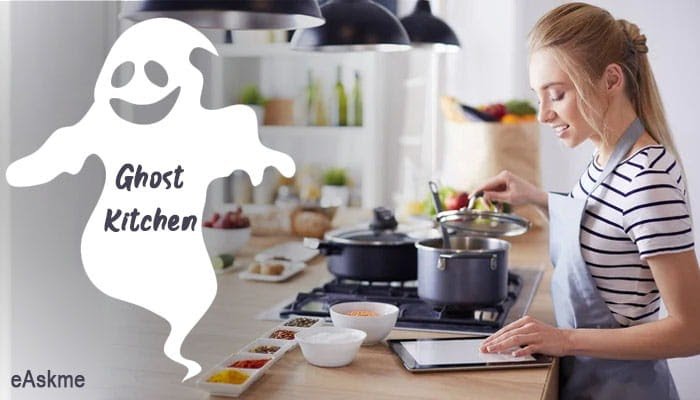
Ghost Kitchen, also known as dark kitchens, virtual kitchens, or cloud kitchens, is a popular trend in 2026.
It has changed the face of mainstream business model. The restaurant industry is rapidly moving towards Ghost kitchens.
Ghost kitchens work with food delivery business and both grow at the same time.
In 2025, the US food delivery market will cross $400 billion globally. Ghost kitchen has played an important role in expanding the food delivery market.
No matter if you are a first-time food truck entrepreneur or a seasoned restaurateur, this guide will help you with everything about Ghost kitchens.
Other people are reading: Workday 2026R1 Release Overview: Key Updates, Enterprise Impact
Here is everything you must know about ghost kitchens, such as:
- What Is a Ghost Kitchen?
- Types of Ghost Kitchens.
- How Does a Ghost Kitchen Work, Day to Day?
- Who Should Start a Ghost Kitchen?
- Costs of Starting a Ghost Kitchen in the US
- Licenses, Permits, and Legal Requirements
- Ghost Kitchen Benefits and Drawbacks
- How to Market Your Ghost Kitchen?
- Is a Ghost Kitchen Right for You?
Ghost Kitchen:
Ghost Kitchen is a delivery-only food option.
It lacks a dining room, a host stand, and walk-in customers. It is different from the traditional restaurant business.
For example, L’Appart NYC Michelin Star Restaurant requires customers to visit the restaurant to enjoy food. L’Appart Michelin Star Menu is exclusively available for dine-in customers only. It is not available on any food delivery app.
Ghost kitchen receives orders from apps like:
Your team prepare the food, and a delivery service picks up the order and deliver to the customer.
There are various types of ghost kitchens.
Here are the two most popular types of ghost kitchens:
- Rented commissary or shared ghost kitchen space: It is the most common type of ghost kitchen. You rent a small kitchen unit. Inside the shared facility hosts multiple food brands. CloudKitchens, Kitchen United, and Reef Technology are the major brands operating multiple ghost kitchens throughout the U.S. You bring your team and equipment, such as hood systems, sinks, fulfillment support, and order-aggregation technology.
- Back-of-house virtual kitchen inside an existing restaurant: Some U.S. food business operators run back-of-the-house virtual kitchens. Chipotle is a popular brand that follows this type of food business. It is running more than 2400 dark kitchens in major U.S. cities.
How Does a Ghost Kitchen Work?
You place the food menu on delivery apps. Customers use food delivery apps to find your restaurant through ratings, search, and photos.
Once the customer places the order, it lands on the ghost kitchen’s system screen. You prepare food, pack it and place it for pickup at a designated area. A delivery guy picks up the order and delivers it to the customer.
A fulfillment team works in the ghost kitchen facilities to handle deliver handoffs. Your food gets delivered to the customer without you leaving the kitchen.
Everything is digital, such as order tracking, delivery time estimates, and customer ratings.
Who Should Start a Ghost Kitchen?
Ghost kitchens are of different sizes and requirements.
Here is the easy way to find out if you should start a ghost kitchen or not.
New food entrepreneurs:
If you want to test the food business without spending $375,000, then a ghost kitchen is for you. $375,000 is the median cost to start a median restaurant business.
A ghost kitchen business starts with a low cost between $10,000 and $30,000. The cost varies depending on the facility and equipment.
Small restaurant owners:
Small restaurant owners who want to expand their food business without the risk of a new buildout can choose a ghost kitchen.
It serves new neighborhoods without long-term commitment or lease.
Food truck operators:
Food truck operators often struggle to balance in-person service with food delivery.
Ghost kitchen makes it easy for you to connect with delivery partners and expand your business.
Multi-unit chains and franchises:
Food chains and franchises also promote ghost kitchens in urban markets. It helps to reduce the cost of running the food business.
Celebrity chefs, content creators, and food brands:
Do you have a target audience or niche food business?
Whole30, Rachael Ray, and Bon Appétit launched ghost kitchen concepts through food delivery apps.
University and corporate caterers:
On-campus food delivery is high in demand. Corporate and university caterers choose dark kitchens.
The Real Costs of Starting a Ghost Kitchen in the US:
Here is the detailed cost analysis to run the ghost kitchen business:
Startup costs include:
- First month’s rent and security deposit: up to $5,000
- Specialized kitchen equipment costs: up to $20,000
- Smallwares: up to $3,000
- Food inventory: up to $5,000
- Business registration and licenses: up to $1,500
- Health department permits and food handler certifications: Up to $500
- Delivery app onboarding varies according to the app
- Logo, photography, and branding: Up to $2,000
Ongoing monthly costs:
- Kitchen rent: Up to 8,000
- Food costs: Between 28% and 35% of the revenue
- Labor: 3 to 5 staff
- Delivery platform commissions: 15% to 30% per order
- Packaging materials: Up to $1,000 per month
- Marketing and digital ads: Up to $1,000/month
Note: Total investment to get started with a ghost kitchen is between $10,000 and $50,000. It is way lower than starting a median restaurant, which is $375,000.
Licenses, Permits, and Legal Requirements:
To start a ghost kitchen, you must fulfill the license, permits and legal requirements.
Business entity formation:
It is a must to register your food business as an LLC, sole proprietorship, or corporation.
It is necessary to complete the process before signing a lease or opening a bank account.
Small operators often choose to open an LLC.
Food handler certifications:
Get a food handler or food manager certification. Requirements vary by state. Check your local health department’s website for more information.
Health department permit:
It is a must to own the health department permit tied to your specific operation. Make sure that you keep it separate from the permit help by the facility.
Confirm everything with the ghost kitchen operator.
Seller’s permit or sales tax registration:
If your state charges tax on prepared food, then you must register to collect and remit it.
Zoning compliance:
Make sure that commercial food production is permitted in your location.
Employer Identification Number (EIN):
Obtain an EIN from the IRS website.
Insurance:
Insurance is necessary. Get general liability insurance up to $600/year. Also, get a business owner’s policy to cover the equipment. Get workers’ compensation.
Ghost Kitchen Benefits:
Lower startup costs:
You save a lot of money as it does not require construction, interior design, seating buildout, signage, and the premium rent. Share facility further reduces the cost.
Lower labor overhead:
You do not need a cashier, a host, or servers. You can start with 3 to 5 employees.
Better food margins:
Keep the focused and tight menu.
Make sure that the item you prepare can travel without spoiling. Use overlapping ingredients and deliver with consistent prep timing.
Faster path to breakeven:
A Ghost kitchen can become profitable in just 6 months.
Run multiple brands:
Digital presence allows you to run multiple brands from a single kitchen.
For example, you can sell a breakfast burrito brand and a family meal kit brand from a Mexican food kitchen.
Geographic flexibility:
Get your food delivered within a 5-mile radius.
Ghost Kitchen Drawbacks:
Ghost kitchens often fail to market their businesses. Your online presence is the only way to market your brand.
Optimize delivery app listings:
Use HD food images, write clear and appealing item descriptions. Choose a searchable brand name. Run in-app promotions.
Collect and respond to reviews:
Collect reviews on a delivery app. Respond to negative reviews professionally.
Build a social media presence:
Use platforms like Facebook, TikTok, and Instagram to boost your social media presence. Share behind-the-scenes videos, finished dish photos, and customer testimonials.
Run targeted local ads:
Target local customers in your geolocation. Use Facebook and Instagram ads. Test different creatives and track the cost per order.
Build a direct ordering channel:
Drive repeat customers using your own platform and marketing strategies. Platforms like Toast Takeout and ChowNow work beyond food delivery apps.
Leverage packaging:
Use customized packaging to market your brand. Add physical brand touchpoints. Add logo and QR code.
Key Metrics to Track in a Ghost Kitchen
- Food cost percentage: Up to 35% of revenue
- Labor cost percentage: Up to 25%
- Average order value: Higher is better
- Delivery platform commission as % of revenue: Calculate true net per order
- Customer rating per platform: target 4.5 stars minimum
- Order cancellation rate: High cancellations hurt algorithmic ranking
- Repeat customer rate: Display, food quality and experience are good
- Breakeven point: Track monthly fixed costs vs. contribution margin
Quick Ghost Kitchen Start Checklist
- Researched delivery demand in your target ZIP code
- Chosen a ghost kitchen facility
- Registered your business entity (LLC recommended)
- Obtained your EIN from the IRS
- Registered for state sales tax permits
- Obtained health department permit
- Completed food handler and manager certification
- Secured general liability and equipment insurance
- Designed your menu for delivery
- Created professional photos
- Set up accounts
- Established social media presence
Conclusion:
Ghost kitchens are popular in 2026. The margins are real. But at the same time, you must deal with commissions, marketing, and competition.
The successful ghost kitchen operators share some common traits, such as focusing on the menu for delivery, investing in online presence, tracking numbers, and treating the ghost kitchen as a business.
Plan for food and marketing. Work on well-researched concepts and clear expectations. Ghost kitchen will work as a low-risk path for food business success.
FAQs:
What is a ghost kitchen?
A ghost kitchen is a delivery-only food business without a dining room or walk-in customers.
How much does it cost to start a ghost kitchen?
You can start a ghost kitchen business with the funds between $10,000 and $50,000.
Do I need a license to run a ghost kitchen?
Yes. You need registration, a food handler or food manager, a health department permit, and an Employer Identification Number (EIN) from the IRS.
Is a ghost kitchen profitable?
Yes. With the best strategies, you can make your ghost kitchen profitable within just 6 months.
What delivery platforms should I use for my ghost kitchen?
Choose two or more food delivery platforms such as DoorDash, Uber Eats, and Grubhub.
What kind of food sells best in a ghost kitchen?
Food that you can prepare within 20 minutes can sell better in a ghost kitchen.
Can I run multiple brands from one ghost kitchen?
Yes.
How do I market a ghost kitchen with no physical storefront?
Use digital marketing. Boost social media presence to boost ratings, reviews, and customer interest.
Do ghost kitchens work in smaller cities or only in major metros?
A ghost kitchen can work in both small and large cities.
Other helpful articles: